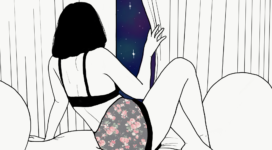
grounding exercise by Samantha Nock inhale, 1 2 3 4. exhale, 1 2 3 4. close your eyes. name five things you can hear. you hear the cars going down nanaimo st. you hear cats meowing. you hear your...
In anticipations of PRISM’s DREAMS themed issue 57.1, here is some dreamy poetry from MA|DE, a collaborative writing partnership comprised of interdisciplinary artist Mark Laliberte, author of asemanticasymmetry (Anstruther 2017) and writer Jade Wallace, author of Rituals of Parsing (Anstruther 2018). MA|DE’s poem, “A Bad Dream Bent Ends Wet” appears in the print issue, and below are two more of their collaborative poems, “Make Me Down” and “Bone Meal” accompanied by artwork by the talented Aura. The DREAMS themed issue will be fresh from the printers soon, so if you don’t have a subscription to the magazine yet and need one, now is the time!
We have been dreaming about this for sooooooooo long! But it’s here! We cannot wait for you to read it! Get your copy NOW! We will be launching the content in style with not one but two parties! Come...
Written by Tessa Yang Our Dreams issue, 57.1, is going to land on your doorsteps any day now. Here, Tessa Yang tells us a bit about what inspired her story, “What Do You Dream?” We’ve included a sneak peak...
By Rebecca Peng Next week kicks off one of the most exciting events for literature lovers: the Vancouver Writers Fest. Running from October 15 to October 21, this year’s festival welcomes more than one hundred authors from around the world to participate...
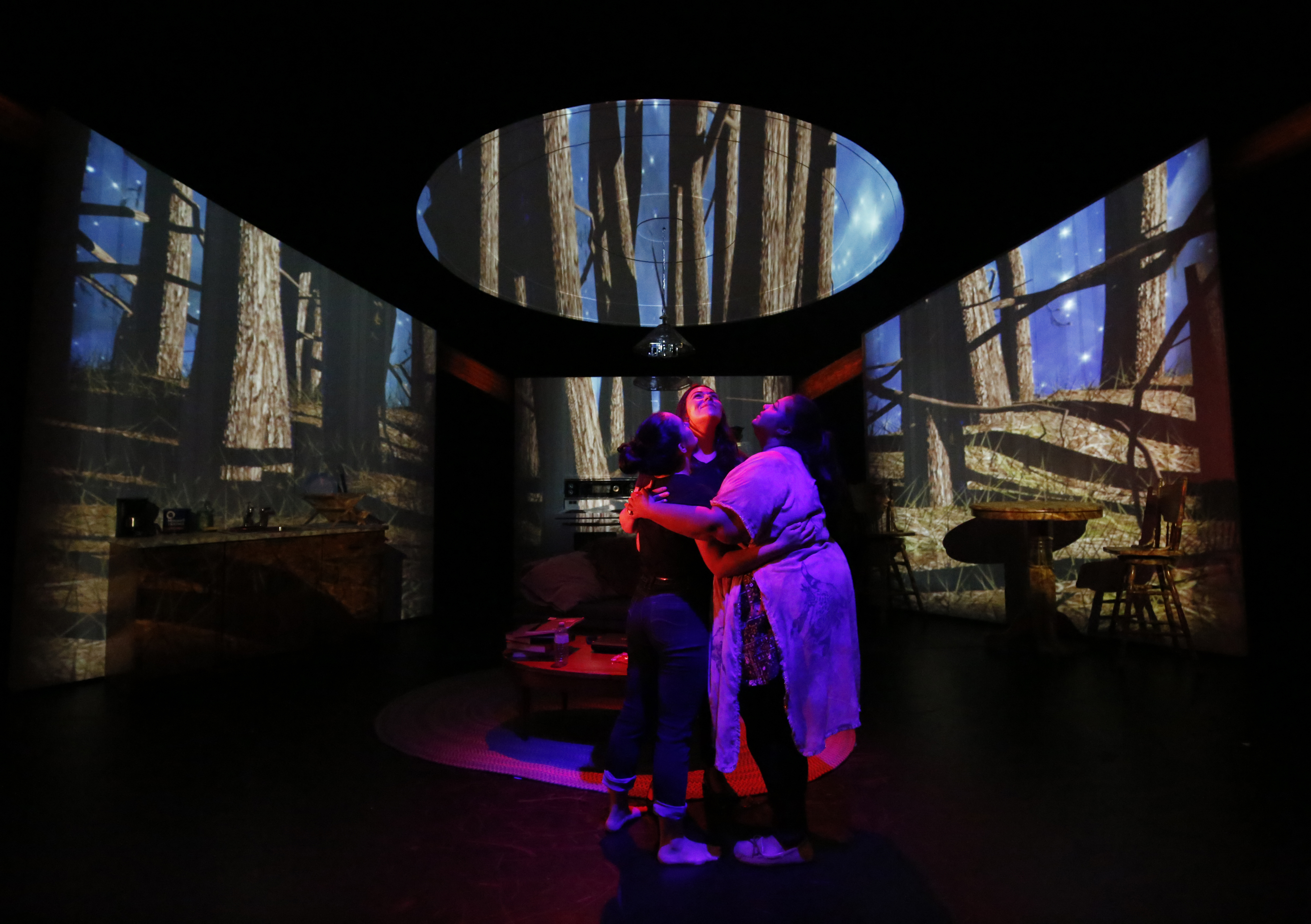
Kamloopa is an Indigenous artistic ceremony that follows two urban Indigenous sisters, Kilawna and Mikaya, and their new friend, Edith, as they struggle in their own ways to understand themselves and their cultures. As they each come to terms with what it means to reconnect with their homelands, ancestors, and one another, it becomes clear that this story is not a hero’s journey; it doesn’t follow the “typical” three act play in structure or story arc. The artistic ceremony focusses on kinship relations, rather than a central conflict: this is a journey between women, a journey that happens within, between, and outside of themselves. It’s a journey that happens on Indian time: existing now, bringing the past, and holding the future. As the three women move through the world, they face issues of assimilation, disconnection, and loss, and the audience is witness to every ignorant, painful, funny, and awkward moment of what it means to find your way home again.